
The Quiet Teacher: What Makes a Good Polo Pony for Beginners, Families, and Developing Players
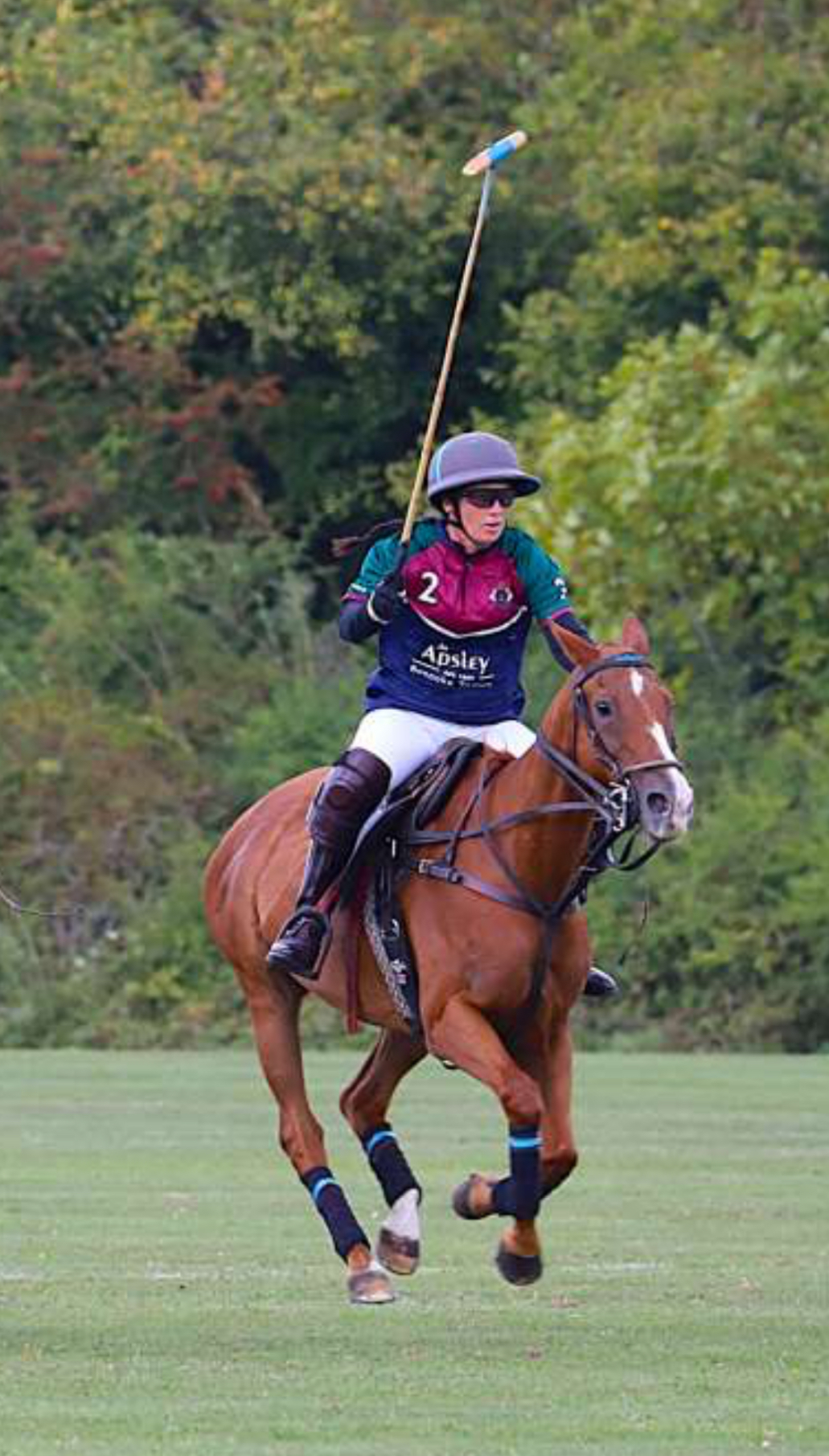
The Quiet Teacher
What makes a good polo pony for beginners, families and developing players — and why the horse that was perfect for one rider might be completely wrong for the next.
There is a saying in equestrian sport that has been around as long as people have been buying horses: horses for courses. It is simple enough to say. In practice, it is one of the most complex, nuanced and genuinely personal challenges any rider or family will face. Finding the right polo pony is not simply a matter of finding a good polo pony — it is finding the right horse for this rider, at this stage, with this temperament, for this goal.
At Minninnooka, matching horses to riders is something we take seriously and something we have spent years learning to do well. This is not a checklist. It is an honest look at what matters, what varies enormously, and why the process deserves far more care than most people realise.
What a beginner really needs from a horse
The first thing most people look for in a beginner polo pony is calmness — and that instinct is right. A horse that is steady, predictable and tolerant gives a new rider the mental space to actually learn. When a rider is bracing against a spooky or unpredictable horse, they cannot focus on position, balance, stick work or game sense. They are just surviving. A calm horse removes that barrier.
But calmness alone is not enough, and it is worth being precise about what we mean. A calm horse is not a dead horse. An overly dull or unresponsive animal can actually create bad habits in a beginner — teaching them to over-kick, to haul on the rein, to feel that riding requires force rather than finesse. The best beginner horses are calm but honest.
"The best beginner horses teach without fuss, forgive without being dull, and quietly reward the rider who gets it right."
Trainability matters too — not in the sense of how extensively a horse has been schooled, but in how generously it responds to learning in partnership with a new rider. A horse that is patient and willing makes the process of building a relationship feel natural. A horse that is resistant, opinionated or easily frustrated makes it feel like a battle. That battle might be appropriate for an experienced rider who needs the challenge. For a beginner, it is simply discouraging.
Horses for courses: why one rider's unicorn is another's nightmare
This is the part that catches people out — particularly families who have seen a horse work beautifully for someone else and assume it will work just as well for them.
It will not always. And that is not the horse's fault, or the rider's. It is simply the reality of how personal the horse-and-rider relationship truly is.
A horse that suits one rider is shaped by an almost endless list of variables — physical, psychological, experiential. The horse that gave a confident twelve-year-old their best season on a pony may leave a nervous adult feeling completely out of their depth. The forward-going pony that a strong teenager found perfectly balanced may feel like a runaway to a quieter, more anxious child. The pony a family swears by may be entirely unsuitable for the next rider who tries them — not because anything is wrong with either of them, but because the combination simply does not work.
Some of the variables that matter most:
Physical build and balance. A horse moves differently under different riders. Weight distribution, leg length, core strength and natural balance all change the way a horse responds — and the way a rider experiences the horse beneath them.
Confidence and emotional state. Horses are acutely sensitive to anxiety, tension and hesitation. A horse that is perfectly relaxed with a confident rider may become unsettled or sharp with a nervous one — not out of nastiness, but out of genuine sensitivity to the signals they are receiving.
Stage of development. A horse that is ideal at the start of a journey may hold a rider back six months later. The very qualities that make a pony safe and forgiving for a beginner — steadiness, a tendency to look after the rider — can become limitations for a developing player who now needs more responsiveness and challenge.
The horse's own history and personality. Horses have preferences and past experiences that shape how they respond to different people. Some horses connect more easily with certain types of riders. That is not superstition — it is horsemanship, and it matters.
Intended use and ambition. A horse that is wonderful for quiet family mornings and the occasional friendly chukka may not be the right choice for a child with serious competitive goals. The demands are different, and the horse needs to match the ambition, not just the current ability.
A note on buying
Someone else's perfect horse may not be yours
The most common mistake families make when buying a polo pony is falling in love with a horse that worked brilliantly for someone else. Reputation is not transferable. The horse that was a trusted schoolmaster for one rider carries its own history, its own quirks, its own way of responding to different people. Always assess a horse against the actual rider who will be using it — in conditions that reflect real use, not a polished demonstration. If possible, take advice from someone who knows both the horse and the rider well, and has no financial interest in the sale.
Growing together: the horse that develops with the rider
When the match is right, something genuinely special happens. The horse and rider begin to develop a shared language — a mutual understanding that deepens over time. The rider's aids become lighter and more precise. The horse's responses become more fluid and willing. Both improve because the relationship gives them the confidence to try things they would not attempt with a stranger.
This is what we look for at Minninnooka: not just a horse that is suitable today, but one with the potential to travel with a rider through several stages of their development. That does not always mean the same horse for years. Sometimes a rider outgrows a horse in the best possible way — they have learned what that horse had to teach them and are genuinely ready for the next step. Recognising that moment, and navigating it well rather than hanging on out of sentiment, is part of good horsemanship.
For families, continuity matters enormously. A horse that remains consistent and trustworthy through the natural ups and downs of a child's developing confidence is worth its weight in gold. But it must genuinely suit each person who rides it, not simply be assumed to because it suits one of them.
Polo as a family sport
One of the things we love most about polo at Minninnooka is that it genuinely is a sport for whole families — not in a brochure-copy way, but in practice. We regularly see parents and children learning together, siblings at different levels encouraging each other, and the occasional grandparent watching from the rail who quietly asks if they can have a go.
Making that work well, though, requires the same care and thought with horse matching that any individual rider deserves. A pony that is right for a confident teenager is very rarely right for a parent returning to riding after a twenty-year gap. Getting those pairings right — genuinely taking the time to understand each person before putting them on a horse — is what makes a family's time at the yard enjoyable rather than stressful.
If you are thinking about polo for yourself, your child, or your family, and want to understand what that might look like in practice, we are always happy to have a conversation. Come and spend some time at the yard, watch a session, meet the horses, and let us help you find the right starting point. There is no formula and no pressure — just an honest conversation about what you need and how we can help you find it.


Comments