
Building a Rider: What a Summer of Polo Coaching Actually Looks Like in Surrey
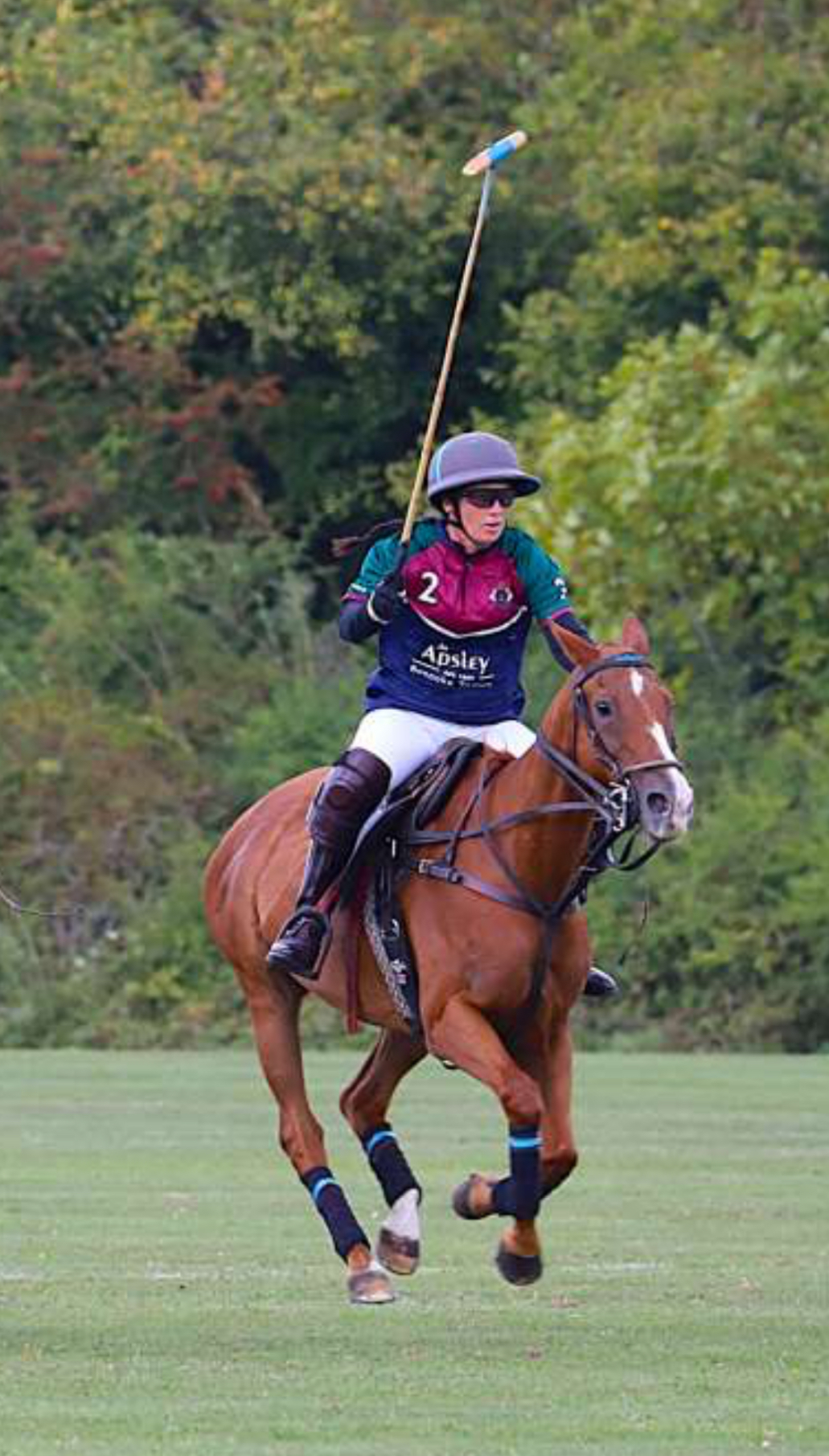
Every parent who brings a child to Minninnooka for the first time asks some version of the same question: how long until they're actually playing? It's a fair question. It's also the wrong one to lead with, because the riders who end up playing well aren't the ones who got there fastest — they're the ones who got the foundations right first.
That's what we mean when we talk about "building a rider." It's not a slogan. It's the actual order we teach in, and it's why a Minninnooka summer looks different from a few weeks of pony rides.
Confidence Is Built, Not Given
You can't hand a nervous rider confidence. You can only put them in front of the same challenge often enough, with the right support, that it stops being a challenge. That's the whole job of a coach, really — not to make things easy, but to make hard things repeatable until they're not hard anymore.
This is why our sessions look almost boring from the outside. Balance drills. Laps. The same stretch, again. It's not filler — it's closer to how you'd learn maths or a language than how you'd expect to learn a sport that looks this fast and this loud from the sidelines. Confidence at speed is built at walking pace, weeks before anyone canters.

The Work Nobody Sees
A seven-minute chukka takes a full day to arrive at. Before any rider swings a mallet, there's a horse to catch, groom, and tack up. After the game, that same horse needs cooling down, untacking, feeding. None of it is optional, and none of it is really about the horse — it's about the rider learning that polo is a sport built on responsibility, not just talent.
We teach this on purpose. A rider who's mucked out, filled water buckets, and led a difficult pony in from the field understands their horse — and themselves — in a way that no amount of extra saddle time can substitute for. It's also, frankly, the part that turns a casual hobby into a genuine horsemanship education, and it's the part most polo clubs skip entirely.
Balance: The First Skill We Coach
Ask any Minninnooka coach what comes first and you'll get the same answer: balance. Not the mallet, not the swing, not even the trot — balance. Everything else in polo is built on top of it, and rushing past it is the single most common reason riders plateau later on, usually right around the point where the horse starts moving faster than their body can keep up with.
It's a conscious skill before it's a subconscious one. Riders think about their seat, their hands, their weight, for weeks — sometimes months — before any of it becomes automatic. That's normal, and it's not a sign of being behind. It's the sign the foundation is being laid properly.
From Beginner to Polo Chukkas in a Season
Most of our riders arrive having never sat on a polo pony, let alone swung a mallet. Within a season — sometimes less — they're playing their first instructional chukkas. What changes in between isn't talent. It's repetition, honest feedback, and enough time on and around horses that riding stops being something they're thinking about and starts being something they just do.
If you want to see what that actually looks like week to week rather than take our word for it, come and watch a session — most of what we've described here is easier to see in ten minutes at the yard than it is to explain in a paragraph.
This Summer's Goal - summer polo Surrey
Every rider in our Development Squad sets a goal for the summer — something specific enough to work toward and simple enough to know when they've got there. Confidence at a faster pace. A cleaner swing. Playing their first full chukka without needing a reminder from the sideline. We build the summer polo coaching in surrey planed around those individual goals rather than a single fixed curriculum, because "build a rider" only means something if it's building this rider, not a generic one.
If your child is starting from nothing this summer, that's exactly where every rider on our current squad started too.
FAQs - Summer polo coaching Surrey
How long does it take to learn to play polo? Most complete beginners are ready for their first instructional chukka within a season of regular lessons — though this depends on how often they ride and their comfort at speed. The foundation work (balance, horse handling, control) typically takes longer than people expect, and rushing it tends to slow riders down later rather than speed them up.
Do you need riding experience to start polo? No. Around half of our current riders started with no prior riding experience at all. We teach horsemanship and riding fundamentals alongside polo-specific skills from day one.
What age can children start polo lessons at Minninnooka? We take riders from 6 years old. as long as they can balance and tack direction.
Is polo a dangerous sport for beginners? Polo is a contact sport, but instructional coaching is structured to build control and confidence at a pace appropriate to each rider, with matched horses and close supervision, before any faster or competitive play.
What should my child expect from a summer polo camp? A mix of mounted coaching, horsemanship (grooming, tacking up, horse care), and low-pressure match practice, with sessions building toward an individual goal set at the start of the programme.


Comments